You can tell a lot about how someone cooks by looking at their oven. The person who bakes bread every weekend needs something quite different from the one who roasts a joint on Sunday and reheats leftovers for the rest of the week. Before you fall for a brushed-steel front and a glowing display, work out which of the three main setups — built-in, built-under, or range — genuinely suits your kitchen and your habits. That single decision drives everything else: fuel, cavity size, functions, and how much building work you are taking on.
Start with how you cook, not the spec sheet
Ask yourself three things. How many dishes do you typically cook at once? Do you bake often enough to care about even heat and accurate temperatures? And how much space can you actually give up?
If you roast, bake, and cook several elements of a meal simultaneously, you want two usable cavities or one generous one. If you mostly grill, toast, and reheat, a single built-under oven with a decent grill element is plenty. Write your honest answers down before you go shopping; showroom lighting has a way of making the biggest model look sensible.
Built-in ovens: cooking at eye level
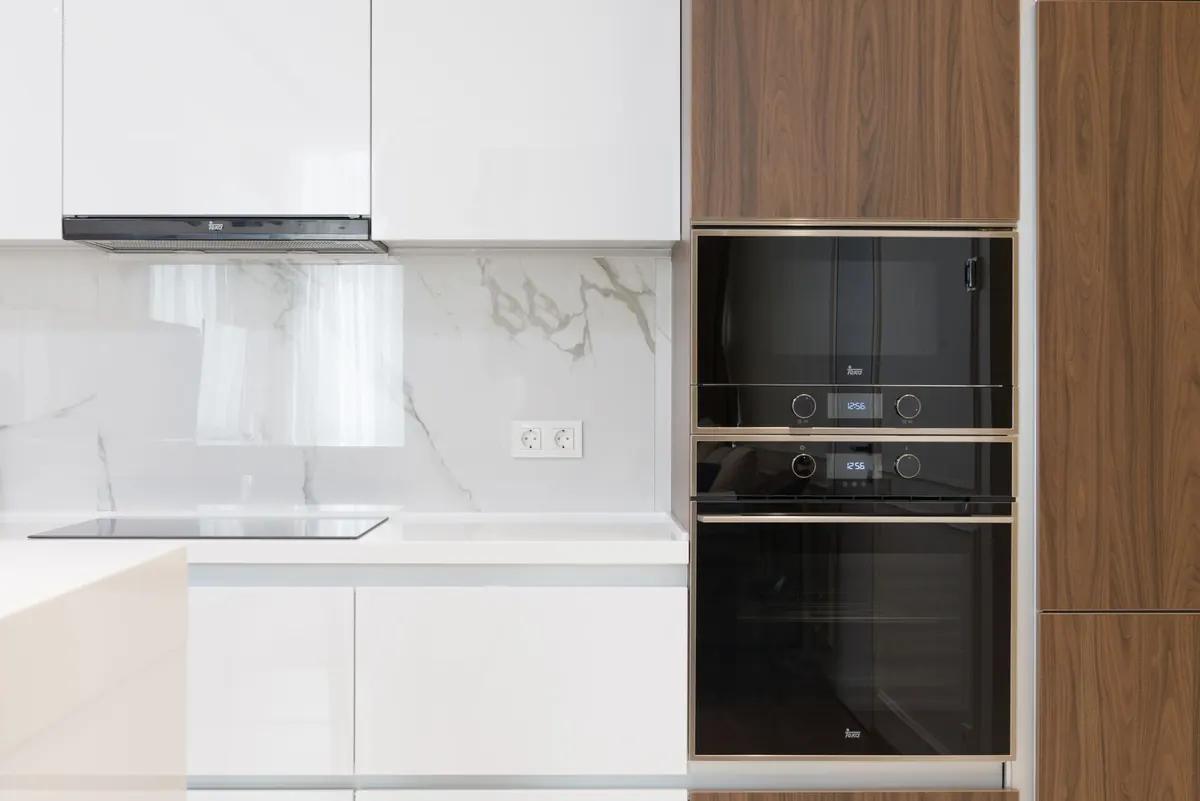
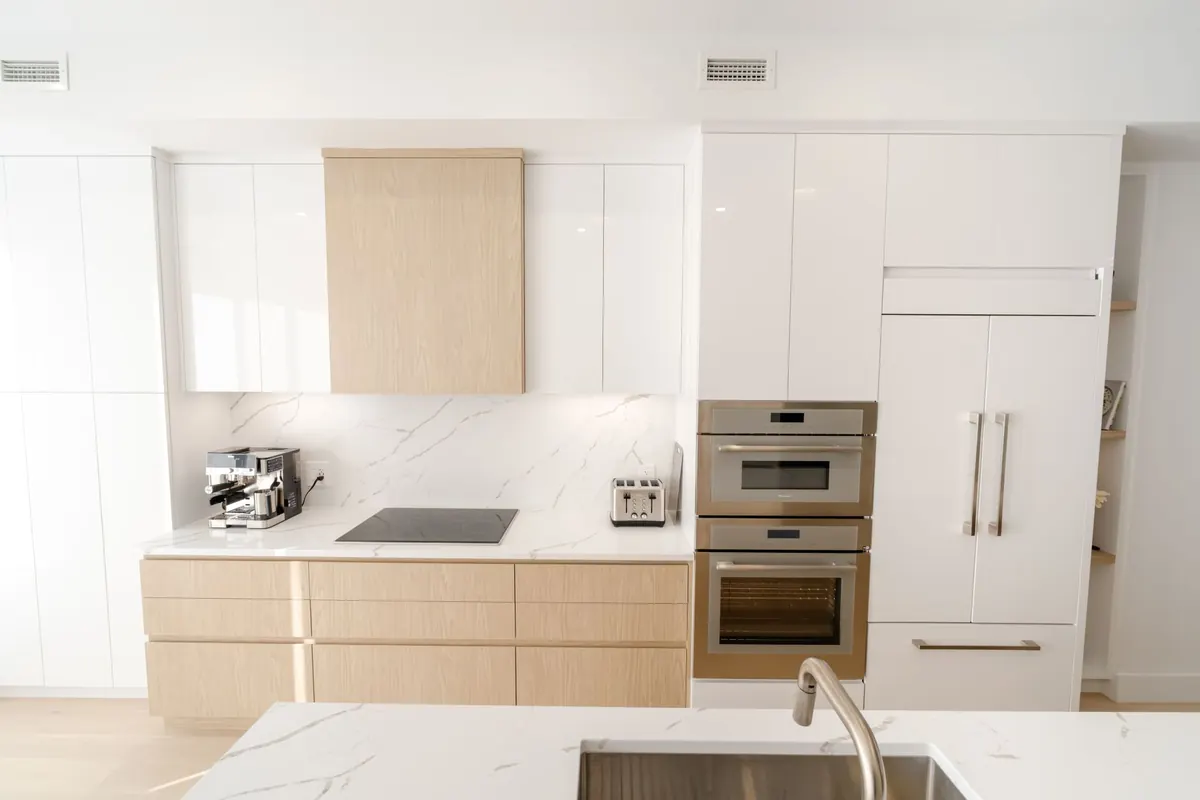
A built-in oven sits inside a tall housing unit, usually at chest or eye level, with storage drawers above and below. Because you are not bending to lift a hot roasting tin, this is the most comfortable option for anyone who cooks regularly — and the safest for anyone with back or knee trouble.
When a built-in makes sense
- You want a double oven, a compact oven plus a warming drawer, or an oven with a matching microwave above it.
- Your kitchen has a tall wall or the end of a run where a housing unit can stand.
- You are happy to lose roughly the footprint of a 600 mm wide, full-height cabinet.
What you give up
Worktop. A tall housing removes surface area you might otherwise use, and in a small galley kitchen that hurts. You also pay for the housing unit itself and the labour to fit it, and if the housing is not built to the oven's ventilation requirements, the appliance will run hot and may cut out.
Built-under ovens: compact and counter-friendly
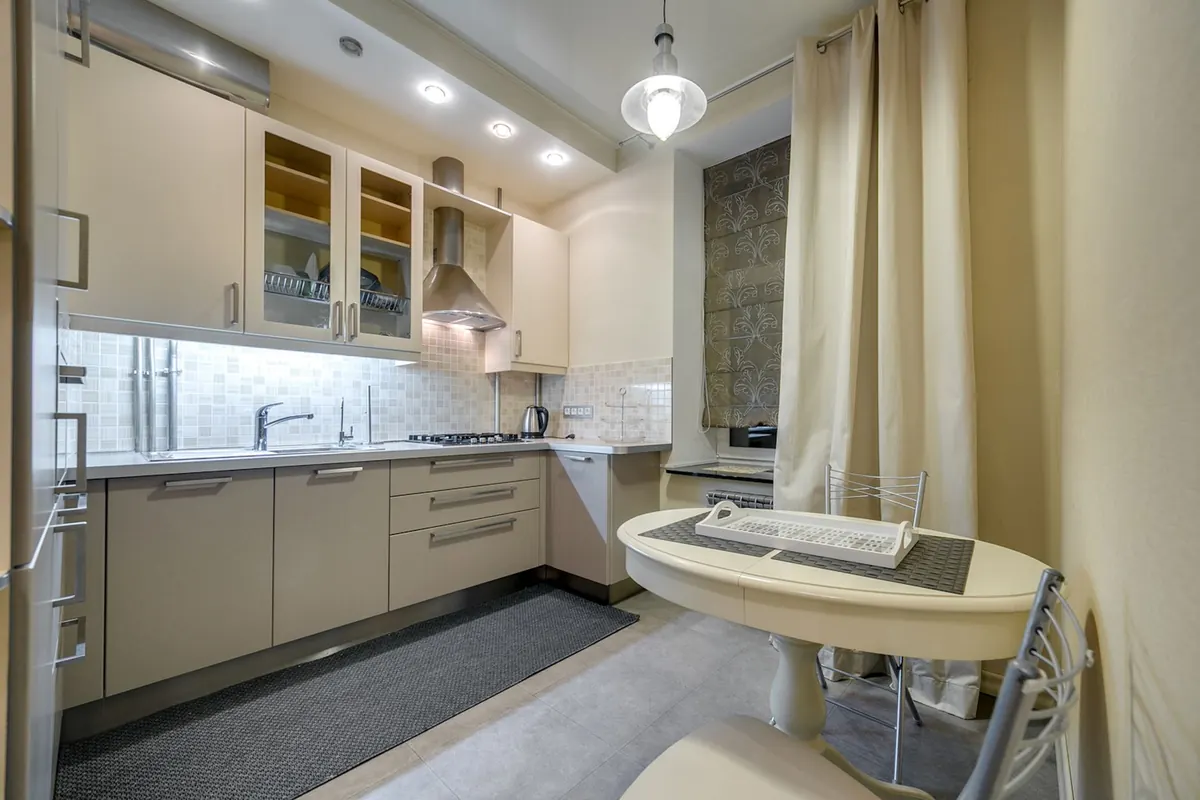
A built-under oven slides beneath the worktop, usually with a hob directly above it and drawers or a cupboard alongside. It keeps the work triangle short and leaves the wall free for windows, shelves, or a tall fridge.
The trade-off is bending down to load and unload, and less room for a second cavity. Many built-under models are single ovens with a grill inside the main cavity rather than a separate compartment, which means you cannot grill and bake at the same time. Check that one detail carefully — it catches people out. Also confirm the oven's door hinges and handle will not foul an adjacent drawer bank or a return wall.
Ranges: one appliance, two jobs
A range combines a hob and oven in a single freestanding unit, typically 900 mm, 1000 mm, or 1100 mm wide, though narrower 600 mm models exist. They anchor a kitchen beautifully and suit open-plan rooms where the cooking area is on show.
Ranges are usually dual fuel — a gas hob with an electric oven — which gives you instant control at the hob and even heat in the cavity. Most have two ovens, often one large and one smaller, plus a grill. What they demand is floor space, clearance at both sides for the doors to open, and a properly sized extractor above. A range is also harder to replace later, because a new one has to match the gap and the services already in place.
Sizing, fuel, and functions
Measure the aperture — the actual opening in your cabinetry or the gap between units — not just the width. Standard built-in ovens are 600 mm wide, with 450 mm compact models for combi microwaves and steam ovens. Height matters just as much: single ovens are generally around 600 mm tall, and a double built-in housing needs considerably more. Always take the manufacturer's cut-out dimensions as final and check the depth required behind the fascia for cables and gas connections.
Gas or electric?
Electric fan ovens hold temperature more evenly, which makes them the better choice for baking, pastry, and anything sensitive. Gas ovens heat from a burner at the base, so they tend to be moister and less even, but many cooks prefer them for roasting and for the visible flame. If you have gas, it must be connected by a competent, Gas Safe registered engineer. Electric ovens sometimes need a dedicated circuit rather than a plug — check before you buy, because upgrading a supply is a job for a qualified electrician.
Functions worth paying for
Fan-assisted cooking, a good grill, and a defrost setting cover most needs. Beyond that, consider pyrolytic self-cleaning if you hate scrubbing, catalytic liners as a cheaper alternative, and steam assist if you bake bread or reheat a lot. Temperature probes and preset recipe programs are nice, but they rarely change how often you use the oven.
Fitting details people forget
Ventilation gaps around a built-in oven are not optional. Extractor capacity should match the hob, particularly with gas. Leave clearance so oven doors can open fully without hitting a tap or drawer. And think about the floor: a range that is heavier than a standard unit may need extra support.
Before you order: a short checklist
- Measure the aperture, the depth, and the clearance in front of the door.
- Confirm the fuel supply and whether the circuit can handle the appliance.
- Decide how many cavities you genuinely need.
- Check that the door opens the way your layout requires.
- Budget for fitting, not just the appliance.
Get those five points settled and the rest of the choice becomes much simpler. A built-in oven rewards anyone who cooks often and has a spare tall cabinet. A built-under keeps a compact kitchen working hard. A range earns its space in an open-plan room where the cooker is part of the view. Pick the one that matches your cooking, and you will stop noticing the decision within a week.
Photo: Ali Soheil / Pexels